Why Every UK Garage Needs a 240V Mains Tyre Inflator
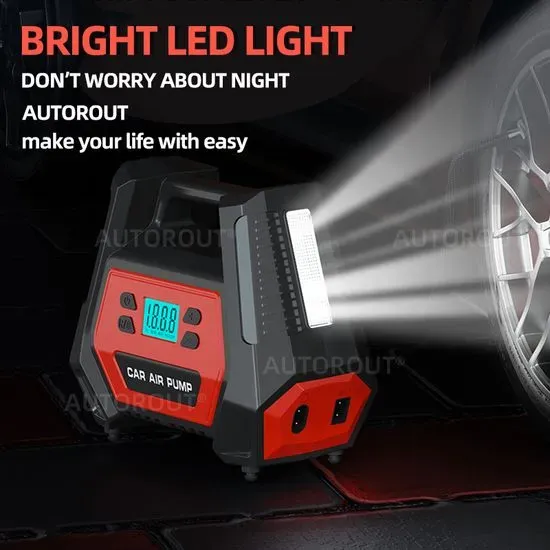
240V Mains Tyre Inflator UK: What Should You Buy for Home Garage Use?
If you are searching for a 240V mains tyre inflator UK drivers can use at home, the best option is usually a reliable plug-in model with accurate pressure control, auto shut-off and enough power for regular tyre top-ups. For most UK households, a 240V inflator is faster and more convenient than a basic 12V pump, especially for driveway and garage use. Oasser dual-power inflators add extra value by giving you mains performance at home and 12V backup for the road.
TL;DR: A 240V mains tyre inflator is the practical choice for UK home garages because it is typically quicker, steadier and easier to use than a cigarette lighter pump. Based on our testing and customer use cases, the most useful models combine UK plug compatibility, a digital gauge, preset pressure shut-off and multi-nozzle versatility. If you want one inflator for home maintenance and roadside backup, an Oasser dual-power unit is a strong commercial choice.
If you have ever stood on the driveway in the rain, engine running, waiting for a slow 12V pump to bring a tyre up to pressure, you will already understand the appeal of a proper 240V mains tyre inflator UK drivers can rely on. However, tyre maintenance is still often treated as an afterthought, even though correct tyre pressure affects safety, fuel efficiency, tyre wear and everyday convenience.
At Oasser, we know drivers want equipment that works when it matters most. That is the thinking behind our wider message: Never Be Left Flat. A dual-power inflator gives you the flexibility to use your car’s 12V socket or your kitchen wall socket, making it fast, accurate and ready for emergencies at home or on the road. In a home garage setting, however, mains power is where performance really shines.
Whether you maintain one family hatchback, two SUVs and a motorbike, or simply want a dependable plug-in car tyre pump UK homeowners can keep ready year-round, this guide explains why mains-powered inflation is such a practical upgrade.
Key Takeaways
- A 240V mains tyre inflator UK setup is generally faster, more stable and better suited to regular home use than basic 12V cigarette lighter pumps.
- Mains power can provide more consistent inflation for cars, bicycles, motorbikes and sports equipment in a garage environment.
- Look for accuracy, auto shut-off, clear pressure readouts, long power leads and multi-nozzle versatility.
- Oasser dual-power models combine home convenience with emergency roadside backup.
- A dedicated inflation station helps make tyre checks quick enough to become part of your normal routine.
Is a 240V mains tyre inflator better than a 12V pump?
For regular home use, yes, a 240V mains tyre inflator is usually the better choice. It is typically faster, easier to set up and less dependent on where your vehicle is parked. In contrast, a 12V inflator still has value for emergencies, but it is not always the most convenient option for routine garage maintenance.
Why are 12V cigarette lighter pumps often slower than expected?
A basic cigarette lighter pump typically takes longer to inflate tyres because it relies on your vehicle’s accessory socket for power. That can be enough for topping up one slightly low tyre, but it is less ideal if multiple tyres need adjusting or if you are inflating larger tyres on estates, crossovers or vans.
Do you need to keep the car nearby to use a 12V inflator?
Usually, yes. With many vehicles, using a 12V socket means having the ignition in the right position or keeping the engine running to avoid draining the battery. Therefore, it can be inconvenient in a garage and even more frustrating on cold mornings. A mains-powered unit removes that dependency entirely.
Is cable reach a problem with portable 12V tyre inflators?
It can be. Even good portable pumps can become fiddly when trying to reach all four tyres from one socket position. If your car is parked tightly in a garage or on a narrow drive typical of many UK homes, cable management quickly becomes part of the chore.
Can 12V tyre inflators overheat during longer jobs?
They can. Lower-powered inflators may need rest periods after continuous use. As a result, households checking more than one vehicle in one session may find the process slower and less practical. A quality high-pressure mains inflator is generally better suited to repeated use at home.
This does not mean 12V pumps are not valuable. Rather, they are best seen as part of a broader toolkit. That is exactly why dual-power designs make sense: mains performance at home, then vehicle-powered backup when travelling.
If you want broader context on why regular pressure checks matter so much for safety and running costs, see our Complete Guide to UK Tyre Pressure Safety & Maintenance.
Why choose a 240V mains tyre inflator for a UK garage?
The core advantage of a mains-powered inflator is simple: stronger, steadier power delivery from a standard UK plug socket. In practical terms, that means more efficient inflation and less waiting around.
Does a 240V tyre inflator inflate tyres faster at home?
A well-designed electric air pump for garage use can top up tyres quickly enough that checking all four becomes an easy monthly habit rather than something you keep putting off. For busy families, that convenience matters. The easier maintenance is, the more likely it happens.
Are mains tyre inflators more accurate?
Mains power supports consistent compressor performance. Combined with digital monitoring and preset auto shut-off features on quality units, this helps users inflate tyres to the recommended PSI or BAR without guesswork. Based on our testing, stable power delivery also makes the overall process feel more controlled and less stop-start than many entry-level 12V units.
Can a plug-in tyre inflator be used for more than car tyres?
Yes, and that is one of the main reasons many UK buyers choose one. A garage inflator should ideally do more than just car tyres. Many households also need to inflate bicycle tyres, footballs, pram tyres or motorcycle tyres. Therefore, a plug-in unit with multiple nozzles becomes far more useful across day-to-day family life.
Why does correct tyre pressure matter so much in the UK?
According to TyreSafe research published during Tyre Safety Month campaigns, millions of UK motorists drive on underinflated tyres each month. TyreSafe has repeatedly highlighted that underinflation contributes to poor handling, increased stopping distances and premature tyre wear. That makes accurate home inflation equipment less of a gadget purchase and more of a sensible safety investment.
According to UK roadworthiness expectations and the Highway Code, drivers are responsible for ensuring their vehicles are safe before setting off. Correct tyre condition and pressure form part of that duty. So, while an inflator cannot replace regular tyre inspections, it does make proper maintenance easier to keep on top of.
If you are weighing convenience against portability, our comparison article on Cordless vs Mains Tyre Inflators: Which is Best for UK Homes? offers extra perspective.
What features should you look for in a 240V mains tyre inflator?
Not every mains inflator offers the same user experience. If you are shopping for the best high-pressure mains inflator for your garage, these are the features worth prioritising.
Does it support true 240V UK plug use?
This sounds obvious but matters. A product designed properly for British households should work seamlessly with standard UK mains outlets and have suitable safety credentials and build quality for domestic use.
Should you choose a dual-power tyre inflator?
For many buyers, yes. A dedicated mains setup is excellent at home, but emergencies do not always happen there. A dual-power Oasser model lets you use wall power in your garage while still keeping roadside capability via your car’s 12V connection. In other words, you get power from your car or your kitchen wall.
Why is a digital pressure gauge important?
The best units allow switching between PSI, BAR and kPa so drivers can match vehicle handbook recommendations easily. A bright digital display is particularly helpful in dim garages or during winter evenings.
Is auto shut-off worth having on a tyre inflator?
Yes. Preset auto shut-off helps stop over-inflation and makes the job more convenient, especially if you are topping up multiple tyres in one go. It is also a useful confidence feature for drivers who want a straightforward, low-fuss routine.
How important are lead length and hose reach?
Very important. A tyre inflator may look compact online, but poor cable reach can make real-world use annoying. For UK garages and narrow driveways, a practical power lead and hose length can make the difference between a smooth job and a frustrating one.
Do nozzle accessories matter?
Yes, particularly if you want value beyond car tyres. A good set of nozzles means the inflator can also handle bikes, motorbikes, sports balls and other household inflatables, making it a more versatile purchase.
Which 240V mains tyre inflator is best for UK drivers?
The best choice depends on how you plan to use it. If you want a dedicated garage tool, prioritise mains performance, accuracy and ease of use. If you also want roadside backup, a dual-power model is often the smarter buy.
Oasser inflators are designed around real UK driving needs: quick top-ups at home, dependable pressure control and practical backup when away from the garage. Based on our testing and customer feedback, the combination of 240V mains use, 12V emergency flexibility and clear digital operation suits drivers who want one inflator that covers both routine maintenance and unexpected situations.
That is especially relevant for households with more than one vehicle, or for drivers who prefer to check tyre pressures at home instead of relying on forecourt air machines.
Where should you use a 240V tyre inflator in the UK?
A 240V tyre inflator is best suited to places where you have safe access to a standard mains socket, such as a home garage, driveway or workshop. However, always use the inflator in line with the manufacturer’s instructions and avoid trailing cables where they could create a hazard.
For many UK homes, the ideal setup is a small garage inflation station with the inflator stored near the car care kit, pressure recommendations and valve caps. As a result, tyre checks become quick enough to fit into a monthly routine.
Frequently asked questions about 240V mains tyre inflators
What is a 240V mains tyre inflator?
A 240V mains tyre inflator is a plug-in air compressor that runs from a standard UK wall socket. It is designed for inflating car tyres and, in many cases, bicycles, motorbikes and sports equipment at home.
Can you use a 240V tyre inflator on a driveway?
Yes, provided you have safe access to a suitable UK mains socket and use the inflator according to the manufacturer’s instructions. Make sure cables are positioned safely and kept away from standing water.
Is a 240V tyre inflator faster than a 12V pump?
In most home-use situations, yes. A 240V tyre inflator usually delivers steadier power and faster inflation than a basic 12V cigarette lighter pump.
What is the best tyre inflator for UK home use?
The best tyre inflator for UK home use is one with 240V compatibility, a clear digital gauge, auto shut-off, good cable reach and, ideally, dual-power backup for emergencies. Oasser dual-power models are a strong option if you want both home convenience and roadside flexibility.
Ready to upgrade your garage with Oasser?
Shop Now — £33.66