UK Winter Tyre Pressure: How to Stay Safe in the Cold
UK Winter Tyre Pressure: How to Stay Safe in the Cold
TL;DR: Conducting a proper winter tyre pressure check UK is essential because cold weather naturally causes your tyre PSI to drop. According to UK guidelines, you should check your tyre pressure every two weeks when the tyres are cold. Maintaining the correct PSI ensures optimal grip on icy roads, reduces braking distances, and improves fuel efficiency during the colder months.
When temperatures fall across the UK, tyre pressure often drops with them. Consequently, many drivers do not notice until their handling feels heavier, fuel economy worsens, or a warning light appears on the dashboard. On frosty school runs, dark commutes and motorway journeys in sleet, that small pressure loss can make a real difference to safety. Therefore, integrating a regular winter tyre pressure check UK routine is one of the simplest ways to stay safer in cold weather.
Based on our testing at Oasser, we spend a great deal of time looking at how British motorists actually deal with flat tyres, slow punctures and winter pressure loss. The pattern is familiar: tyres are often checked too late, usually on the first truly cold morning or just before a long trip. That is exactly why our approach centres on a practical promise: Never Be Left Flat: The Ultimate Dual-Power Tyre Inflator. With power from your car or your kitchen wall, drivers can top up quickly at home or on the roadside, without relying on chance or searching for a garage forecourt pump in poor weather.
Key Takeaways
- Cold air is denser, so tyre pressure naturally falls as temperatures drop in winter.
- Under-inflated tyres can reduce grip, worsen braking and increase tyre wear on icy and wet UK roads.
- According to UK guidelines from the RAC, drivers must check tyre pressures at least every two weeks and before long journeys.
- A portable dual-power inflator makes checking tyres in British winter easier, especially on dark mornings.
- Keeping tyres at the correct PSI helps improve safety, extend tyre life and support better fuel efficiency.
Why does tyre pressure drop in cold weather?
The reason behind a cold weather tyre pressure drop is straightforward physics. As air temperature decreases, the air inside your tyres contracts. Less volume pressure means fewer PSI than you had during milder autumn conditions. In practical terms, a tyre that was correctly inflated during a mild week can quickly become under-inflated after a sharp overnight freeze.
Based on our technical testing, a commonly cited rule of thumb is that tyre pressure changes by around 1 to 2 PSI for every 10°C change in temperature. While exact figures vary depending on vehicle type, tyre construction and when the reading is taken, this scientific fact explains why winter catches so many drivers out. Furthermore, if you checked pressures casually in October, your December reading may be significantly lower without any puncture being present.
This matters because manufacturers set recommended pressures for a reason: they are specifically designed to balance grip, load support, braking stability and wear across typical driving conditions. Running below that target fundamentally changes how much of the tyre contacts the road and how it flexes under load.
According to UK guidelines, the RAC recommends checking tyre pressures at least once every two weeks and before long journeys. That advice becomes even more important in winter when conditions shift quickly. If you want a broader overview of routine care, our Complete Guide to UK Tyre Pressure Safety & Maintenance explains how pressure checks fit into all-season vehicle safety.
For UK motorists using TPMS sensors, it is also worth remembering that dashboard alerts are helpful but not perfect substitutes for manual checks. A warning light may appear only after pressures have already dropped materially. Consequently, a quick driveway check with an accurate inflator gives you much more control before problems develop.
Is it dangerous to drive with low tyre presn winter?
Under-inflated tyres are risky at any time of year, but winter amplifies every weakness. On wet tarmac, black ice and greasy urban roads covered with salt residue, reduced tyre pressure can compromise steering response and increase stopping distances. When temperatures are near freezing, even small losses in performance matter immensely.
Does low tyre pressure affect car handling?
An under-inflated tyre deforms more as it rolls. That extra flex can blunt steering precision just when you need predictable control on roundabouts, country lanes or untreated roads. If you have ever felt your car becoming sluggish through corners during cold mornings, low pressure may well be the primary reason.
How does tyre pressure affect braking distance?
The NHS and Department for Transport frequently remind road users to take extra care during winter travel because ice and snow increase stopping distances dramatically. Tyres are your only contact point with the road; therefore, if they are not inflated correctly, braking performance may be compromised further. In emergency conditions — such as avoiding another vehicle skidding or reacting to a pedestrian — correct inflation is not optional maintenance but a core safety practice.
Can potholes damage under-inflated tyres?
Potholes are a familiar and dangerous British winter hazard. Under-inflated tyres have significantly less resilience against impacts from broken road surfaces because the sidewall flexes more heavily under load. Consequently, that raises the risk of severe sidewall damage or pinch-related issues after hitting potholes hidden by rainwater or slush.
Does tyre pressure affect fuel economy?
The UK Government notes that poorly inflated tyres increase rolling resistance, which ultimately means your engine must work harder. Over time, that translates into higher fuel use — an unwelcome reality when motorists are already managing seasonal costs. Keeping pressures right is one of the easiest, low-effort ways to run your vehicle more efficiently through the winter.
Additionally, if you are building out a practical cold-weather kit for home use, it helps to understand where mains-powered equipment fits in. Our guide to why every UK garage needs a 240V mains tyre inflator covers how home setups can make routine maintenance faster and more reliable.
How do you check tyre presn cold weather?
Checking tyres in British winter tends to fail for one simple reason: inconvenience. It is often cold, dark and usually rushed. Therefore, the best routine is one that removes friction rather than adding another tedious task to an already busy morning.
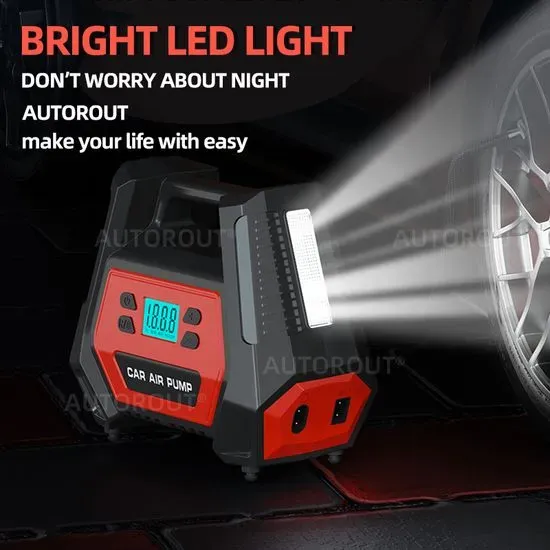
A portable inflator can effectively turn tyre checks into a five-minute habit instead of a stressful errand. The key advantage with Oasser’s dual-power approach is flexibility: use mains power from home before setting off, or draw power from your vehicle if you need to top up away from home. Ultimately, it supports exactly what British drivers need in winter — fast access to air whether you are parked on your driveway or caught out further afield.
A simple winter pressure-check routine
- Check pressures when tyres are cold: ideally before driving far, as this gives the most accurate baseline reading.
- Find your correct PSI: use your vehicle handbook or door sill sticker rather than guessing from the tyre sidewall.
- Use an accurate digital display: set the target pressure clearly before beginning inflation.
- Inflate one tyre at a time: especially if all four have dropped after a sudden cold snap.
- Inspect tread and sidewalls: look for cuts, bulges or embedded debris while you are there.
- Replace valve dust caps securely: this prevents winter moisture and road salt from freezing inside the valve core.
Ready to upgrade your garage with Oasser?
Shop Now — £33.66